During the London Field Trip, we visited the exhibitions at the Wellcome Collection. We can explore connections between science, medicine, life and art through our permanent and temporary exhibitions.
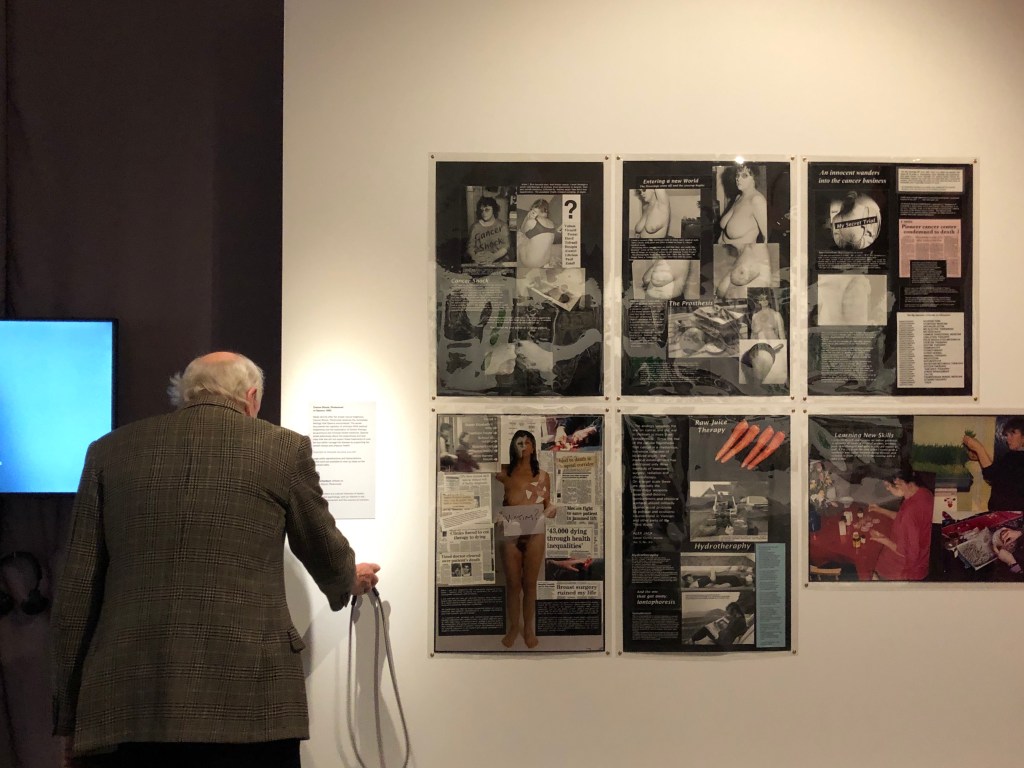
Misbehaving Bodies: Jo Spence and Oreet Ashery
First, we visited the exhibitions of Jo Spence and Oreet Ashery, who explored the performance of chronic diseases and regained the notion of “behavioural abnormalities”. From the entire exhibition, it can be seen that the work of influential photographer Jo Spence (1934-92) documented her diagnosis of breast cancer and the subsequent medical system throughout the 1980s. Her original and confrontational photography was exhibited with Oreet Ashery (born 1966), the award-winning mini-series Revisting Genesis (2016). Moreover, Ashery’s work in political work explores the loss of the digital age and the real experience of chronic diseases.
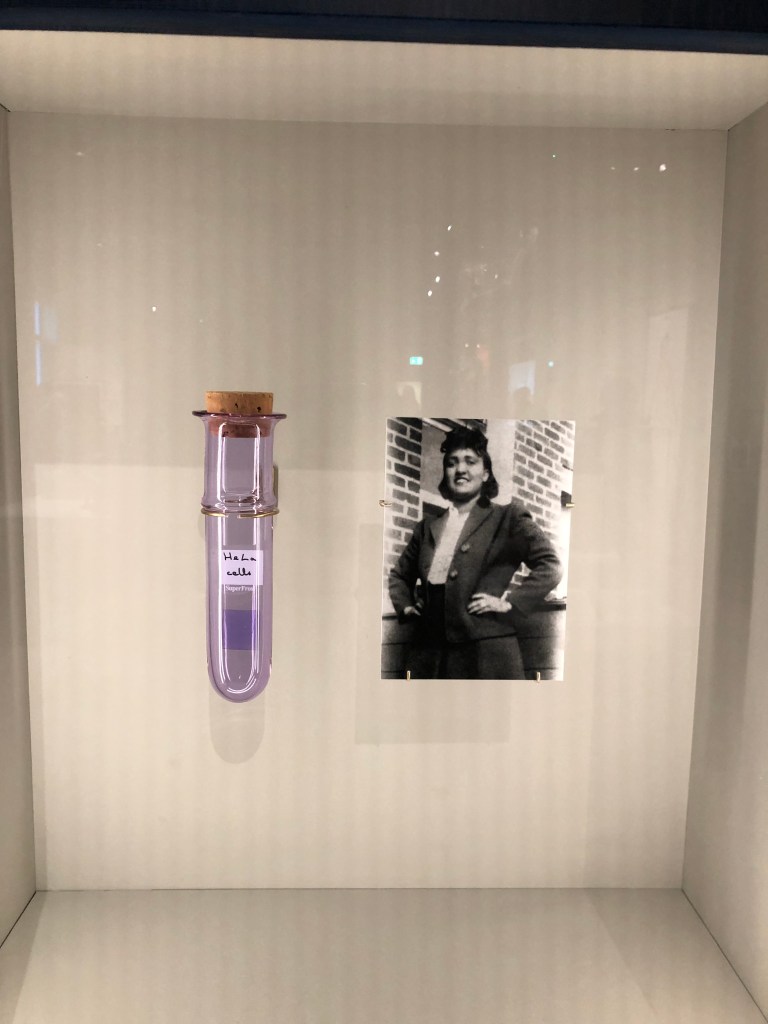
Being human
“Being human” is my favorite exhibition, which explores the significance of becoming a human being in the 21st century. The entire exhibition reflects our hopes and fears about new medical knowledge and the changing relationships we have with ourselves, each other and the world. The gallery has a collection of 50 works of art and articles in four parts: genetics, thought and body, infection and environmental breakdown. Visitors can explore identity, health and trust in a changing world during the visit.
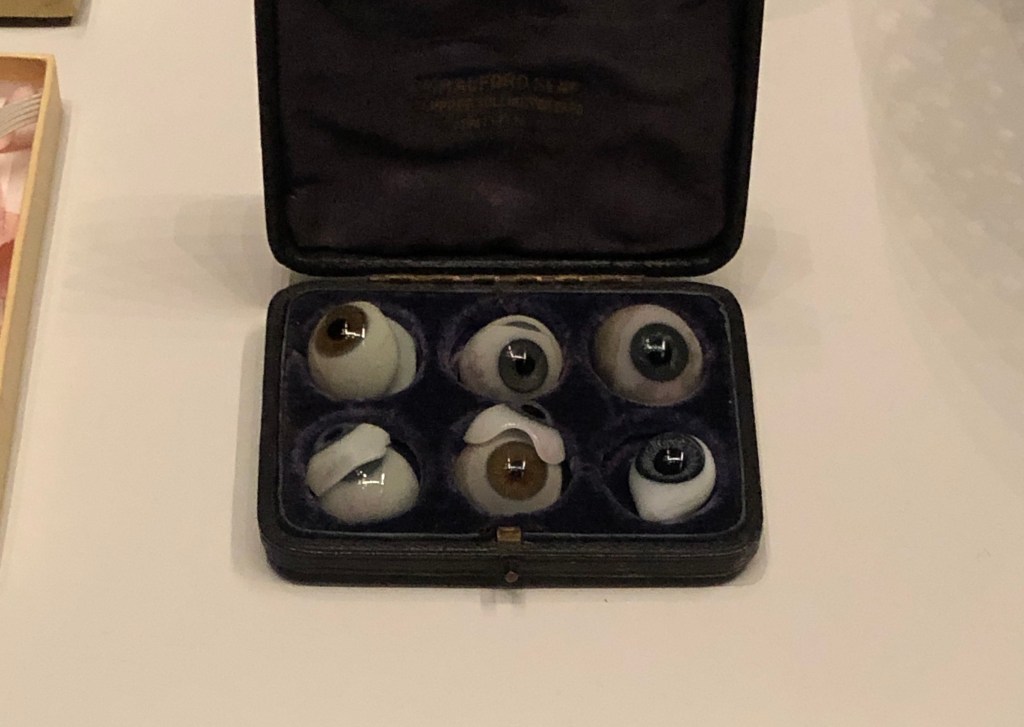
Medicine Man
Sir Henry Wellcome is an enthusiastic traveler and collector – accumulating over one million books, paintings and objects from around the world. Most of his collections are concentrated in two places that are most fascinating to him – health and medicine. Here, you can see how people perceive the foundations of life for centuries – birth, health, gender and death. Explore a wide variety of items, including a group of Japanese sex toys from the 1930s, a unique set of offerings, and some diagnostic dolls that were used by women in the 18th century in China to show male doctors where they feel pain. The exhibition features Napoleon’s toothbrush, Nelson’s razor, Charles Darwin’s crutches, Florence Nightingale’s moccasins, and even King George III’s hair.
 Aiyu's blog