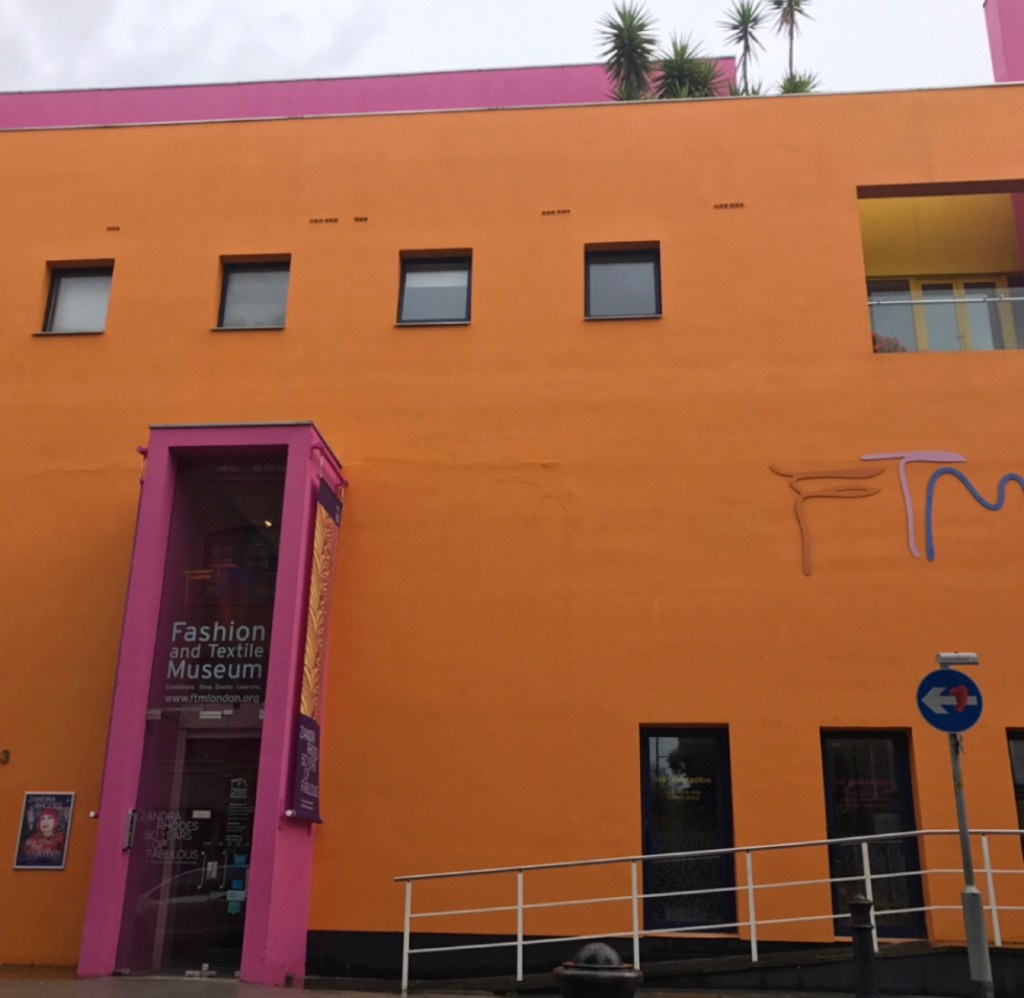
In the field of fashion design, the design of fabrics will bring a lot of inspiration. The fashion & textile museum is a fashion museum in South London with a theme of fashion and fabrics, called FTM.
Since the time I went to visit was not a weekend, there were not many people in the museum. Most of them were students who studied art or those who love fashion design. There are not many spaces in the upper and lower floors of the museum, and some designer or artist designs, fabric techniques and graphic designs are regularly exhibited.
The fashion & textile museum was founded by the fashion guru Ms. Zandra Rhodes and the design was designed by the famous Mexican architect Ricardo Legorreta. The exhibits are mainly 20th century costumes and textiles, mainly featuring contemporary clothing design and textured fabrics.
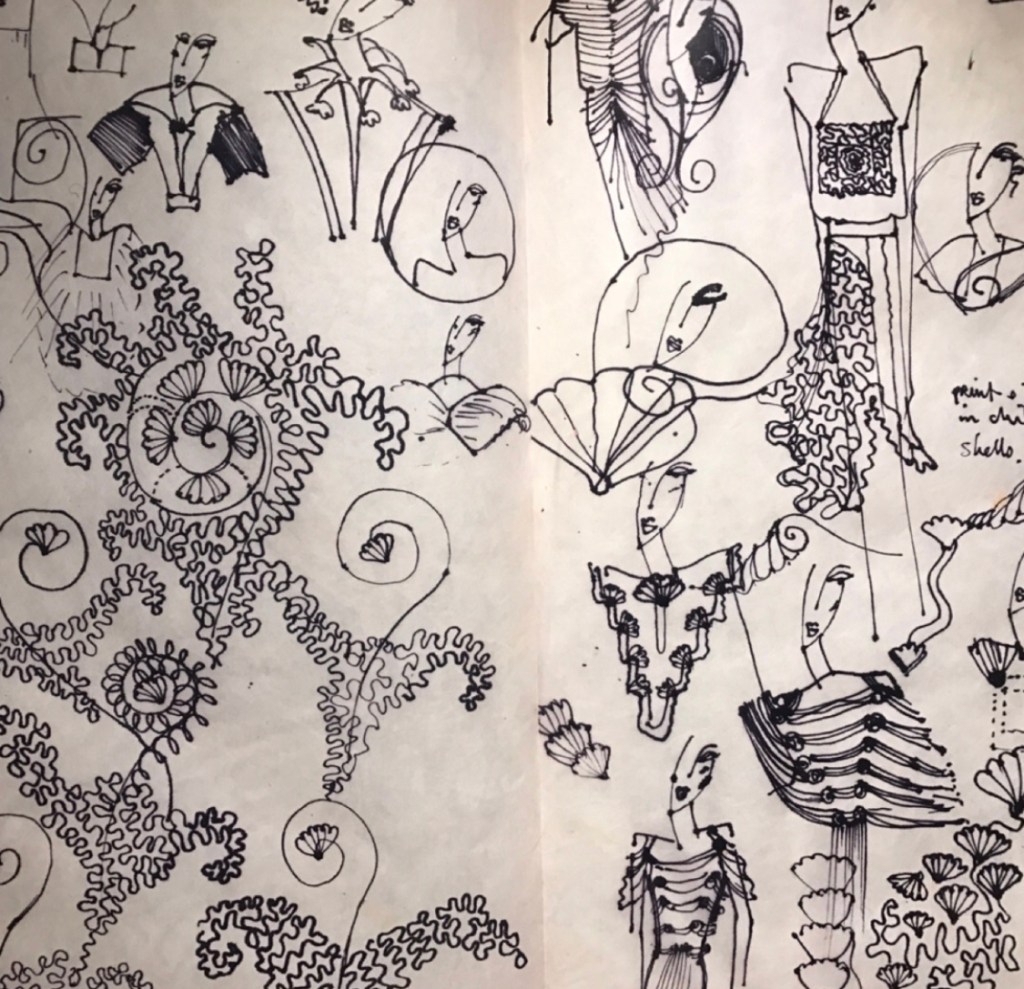
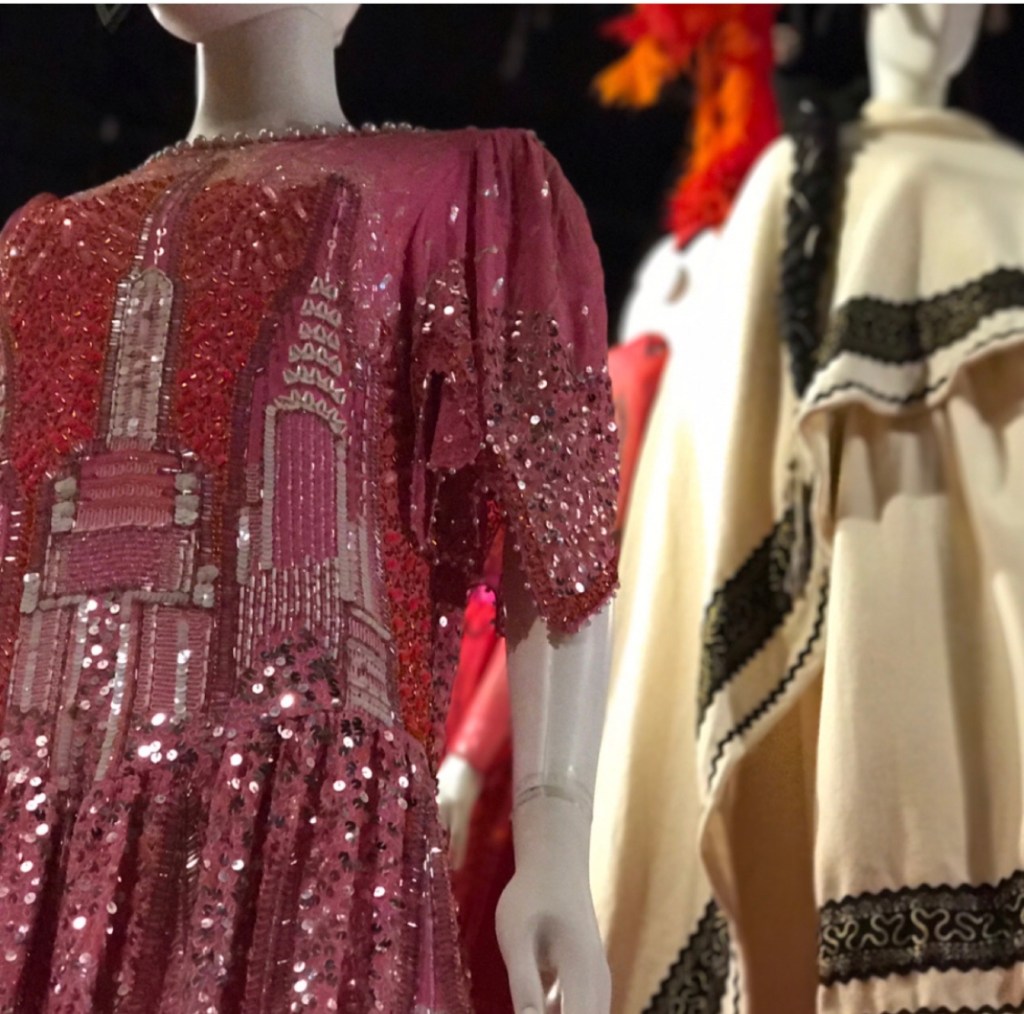
Throughout the exhibition, I learned a lot about the secondary design of fabrics, including embroidery, embellishment, stitching, inlaying, knitting, hollowing, washing, sand washing, printing and dyeing, tie dyeing, batik, hand-painting, inkjet, etc. For example, tie-dyeing is to first sew on the fabric to prevent dyeing. Then the fabric is put into the dyeing tank for infection. After dipping, the tied or sewn threads are removed to form a deep-to-light halo pattern on the fabric surface. There are also three-dimensional forms such as pleating, and weaving mentioned above. For example, pleating is a method of three-dimensional composition that repeatedly folds and fixes the fabric irregularly or tightens and fixes it with stitches to make the fabric show the pleating effect of pleating, thereby generating the necessary volume and beautiful refractive effect. In addition, it is also possible to combine a variety of fabrics, such as the combination of leather and chiffon to create a different effect of rigid and soft impact. In particular, the injection of high-tech elements into traditional fabrics has become a new leap in fashion design. The aesthetic form of the fabric is mainly reflected in the texture of the material. The texture is the different psychological feelings given by the touch feeling, such as: rough and smooth, soft and hard, light and heavy, etc. The visual effect of the texture can not only enrich the shape of the fabric. Expression, and has the aesthetic characteristics of dynamic, creative expressionism. Therefore, from the application and performance of the texture of the fabric, it can be directly seen whether the designer’s concept expression is accurate.
 Aiyu's blog